Business Name: BeeHive Homes Assisted Living
Address: 11765 Newlin Gulch Blvd, Parker, CO 80134
Phone: (303) 752-8700
BeeHive Homes Assisted Living
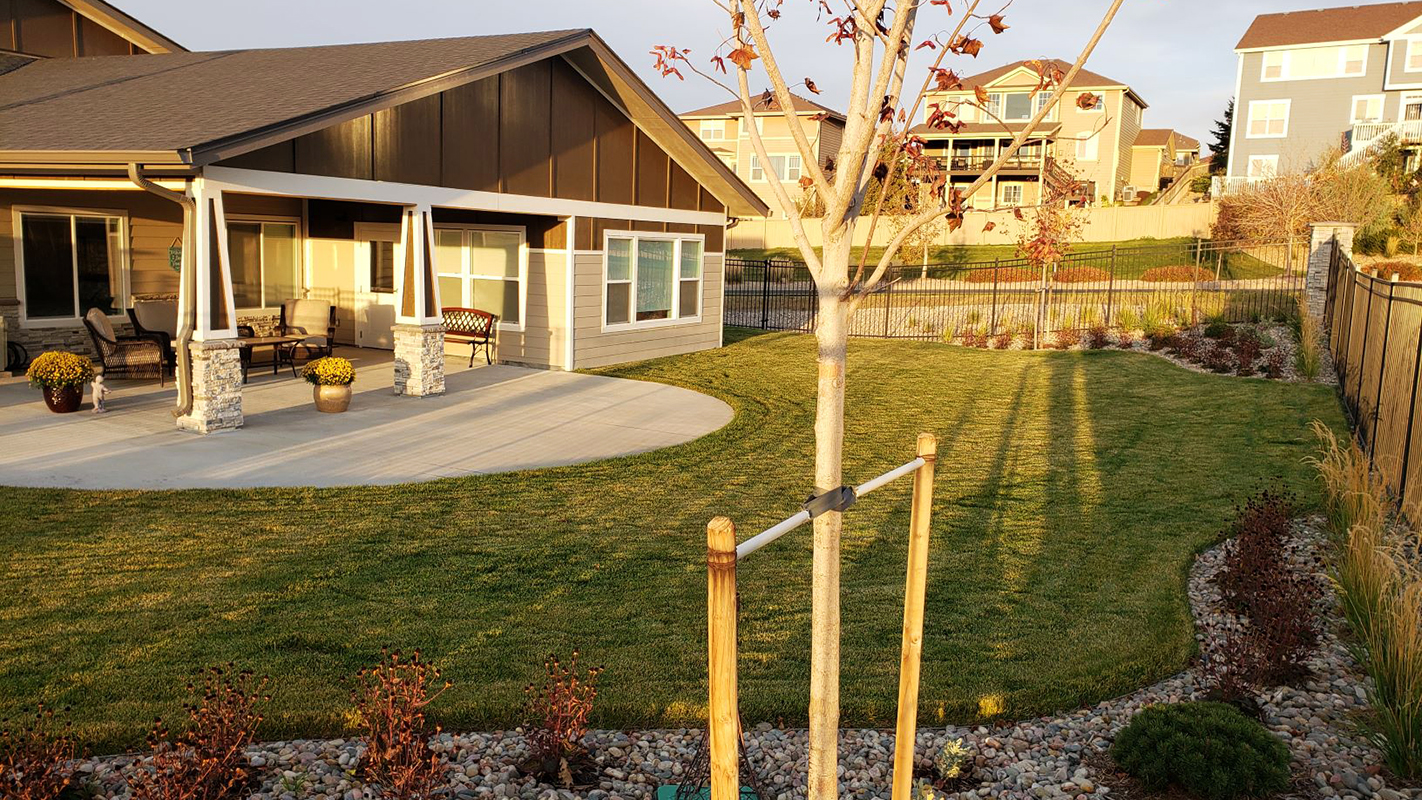
BeeHive Homes offers compassionate care for those who value independence but need help with daily tasks. Residents enjoy 24-hour support, private bedrooms with baths, home-cooked meals, medication monitoring, housekeeping, social activities, and opportunities for physical and mental exercise. Our memory care services provide specialized support for seniors with memory loss or dementia, ensuring safety and dignity. We also offer respite care for short-term stays, whether after surgery, illness, or for a caregiver's break. BeeHive Homes is more than a residence—it’s a warm, family-like community where every day feels like home.
11765 Newlin Gulch Blvd, Parker, CO 80134
Business Hours
Monday thru Saturday: Open 24 hours
Facebook: https://www.facebook.com/BeeHiveHomesParkerCO
Families hardly ever prepare for senior living in a straight line. More frequently, a modification forces the issue: a fall, a vehicle mishap, a wandering episode, a whispered concern from a neighbor who found the stove on once again. I have actually satisfied adult children who showed up with a cool spreadsheet of choices and concerns, and others who appeared with a tote bag of medications and a knot in their stomach. Both techniques can work if you understand what assisted living and memory care in fact do, where they overlap, and where the distinctions matter most.
The goal here is useful. By the time you complete reading, you must know how to inform the 2 settings apart, what indications point one way or the other, how to examine neighborhoods on the ground, and where respite care fits when you are not all set to devote. Along the method, I will share details from years of strolling halls, examining care strategies, and sitting with families at cooking area tables doing the tough math.
What assisted living actually provides
Assisted living is a mix of real estate, meals, and personal care, developed for individuals who want self-reliance but require aid with daily tasks. The industry calls those jobs ADLs, or activities of daily living, and they consist of bathing, dressing, grooming, toileting, transfers, and eating. The majority of neighborhoods tie their base rates to the home and the meal strategy, then layer a care charge based upon how many ADLs someone requires aid with and how often.
Think of a resident who can handle their day however battles with showers and needles. She resides in a one-bedroom, consumes in the dining room, and a med tech stops by twice a day for insulin and tablets. She goes to chair yoga three mornings a week and FaceTimes with her granddaughter after lunch. That is assisted living at its finest: structure without smothering, safety without stripping away privacy.
Supervision in assisted living is intermittent instead of constant. Staff know the rhythms of the building and who requires a prompt after breakfast. There is 24-hour staff on website, but not generally a nurse around the clock. Many have actually certified nurses during organization hours and on call after hours. Emergency situation pull cables or wearable buttons connect to personnel. Apartment or condo doors lock. Key point, though: locals are anticipated to initiate some of their own safety. If somebody ends up being unable to recognize an emergency or consistently refuses required care, assisted living can have a hard time to meet the need safely.
Costs vary by region and house size. In many metro markets I deal with, private-pay assisted living varieties from about 3,500 to 7,500 dollars each month. Include charges for greater care levels, medication management, or incontinence supplies. Medicare does not pay room and board. Long-term care insurance may, depending upon the policy. Some states provide Medicaid waiver programs that can help, but access and waitlists vary.
What memory care actually provides
Memory care is designed for individuals dealing with dementia who require a greater level of structure, cueing, and security. The apartment or condos are often smaller. You trade square video footage for staffing density, safe boundaries, and specialized shows. The doors are alarmed and controlled to prevent risky exits. Hallways loop to minimize dead ends. Lighting is softer. Menus are modified to lower choking dangers, and activities aim at sensory engagement rather than great deals of preparation and choice. Staff training is the core. The best teams recognize agitation before it increases, understand how to approach from the front, and read nonverbal cues.
I once viewed a caretaker redirect a resident who was shadowing the exit by providing a folded stack of towels and stating, "I need your aid. You fold much better than I do." Ten minutes later on, the resident was humming in a sun parlor, hands busy and shoulders down. That scene repeats daily in strong memory care units. It is not a trick. It is knowing the disease and meeting the person where they are.
Memory care supplies a tighter safety net. Care is proactive, with regular check-ins and cueing for meals, hydration, toileting, and activities. Wandering, exit looking for, sundowning, and difficult behaviors are anticipated and prepared for. In many states, staffing ratios need to be higher than in assisted living, and training requirements more extensive.
Costs normally exceed assisted living due to the fact that of staffing and security features. In many markets, expect 5,000 to 9,500 dollars per month, sometimes more for private suites or high acuity. Similar to assisted living, a lot of payment is personal unless a state Medicaid program funds memory care specifically. If a resident needs two-person help, customized equipment, or has frequent hospitalizations, costs can rise quickly.
Understanding the gray zone in between the two
Families frequently ask for a bright line. There isn't one. Dementia is a spectrum. Some people with early Alzheimer's grow in assisted living with a little additional cueing and medication assistance. Others with combined dementia and vascular changes establish impulsivity and bad security awareness well before amnesia is obvious. You can have 2 locals with similar clinical medical diagnoses and really different needs.
What matters is function and danger. If somebody can manage in a less restrictive environment with supports, assisted living preserves more autonomy. If somebody's cognitive modifications cause repeated safety lapses or distress that overtakes the setting, memory care is the much safer and more gentle choice. In my experience, the most frequently overlooked risks are quiet ones: dehydration, medication mismanagement masked by appeal, and nighttime roaming that family never ever sees because they are asleep.
Another gray area is the so-called hybrid wing. Some assisted living communities develop a protected or devoted community for citizens with moderate cognitive disability who do not require complete memory care. These can work wonderfully when appropriately staffed and trained. They can also be a stopgap that delays a needed move and extends discomfort. Ask what particular training and staffing those communities have, and what criteria trigger transfer to the devoted memory care.
Signs that point towards assisted living
Look at daily patterns instead of separated incidents. A single lost expense is not a crisis. 6 months of unsettled energies and ended medications is. Assisted living tends to be a much better fit when the individual:
- Needs steady assist with one to three ADLs, especially bathing, dressing, or medication setup, but maintains awareness of environments and can call for help. Manages well with cueing, reminders, and predictable regimens, and delights in social meals or group activities without becoming overwhelmed. Is oriented to person and place most of the time, with minor lapses that respond to calendars, tablet boxes, and gentle prompts. Has had no wandering or exit-seeking behavior and shows safe judgment around home appliances, doors, and driving has already stopped. Can sleep through the night most nights without frequent agitation, pacing, or sundowning that interferes with the household.
Even in assisted living, memory changes exist. The concern is whether the environment can support the individual without consistent guidance. If you discover yourself scripting every relocation, calling four times a day, or making day-to-day crisis runs across town, that is a sign the current support is not enough.
Signs that point towards memory care
Memory care earns its keep when safety and comfort depend on a setting that anticipates requirements. Consider memory care when you see recurring patterns such as:
- Wandering or exit seeking, particularly attempts to leave home unsupervised, getting lost on familiar paths, or speaking about going "home" when currently there. Sundowning, agitation, or fear that intensifies late afternoon or at night, leading to bad sleep, caretaker burnout, and increased risk of falls. Difficulty with sequencing and judgment that makes cooking area jobs, medication management, and toileting unsafe even with repeated cueing. Resistance to care that activates combative moments in bathing or dressing, or intensifying anxiety in a busy environment the individual used to enjoy. Incontinence that is inadequately recognized by the person, triggering skin problems, odor, and social withdrawal, beyond what assisted living personnel can manage without distress.
A great memory care team can keep someone hydrated, engaged, toileted on a schedule, and mentally settled. That day-to-day baseline avoids medical problems and lowers emergency room trips. It also brings back dignity. Numerous households inform me, a month after their loved one transferred to memory care, that the individual looks much better, has color in their cheeks, and smiles more because the world is predictable again.
The role of respite care when you are not prepared to decide
Respite care is short-term, furnished-stay senior living. It can be a test drive, a bridge during caregiver surgery or travel, or a pressure release when regimens at home have actually become brittle. The majority of assisted living and memory care neighborhoods use respite stays ranging from a week to a few months, with everyday or weekly pricing.
I recommend respite care in three circumstances. Initially, when the family is split on whether memory care is required. A two-week remain in a memory program, with feedback from personnel and observable changes in mood and sleep, can settle the debate with evidence instead of worry. Second, when the individual is leaving the medical facility or rehabilitation and must not go home alone, however the long-term location is uncertain. Third, when the main caretaker is exhausted and more errors are sneaking in. A rested caregiver at the end of a respite period makes better decisions.
Ask whether the respite resident receives the exact same activities and staff attention as full-time homeowners, or if they are clustered in units far from the action. Confirm whether treatment suppliers can work with a respite resident if rehab is continuous. Clarify billing by the day versus by the month to avoid paying for unused days during a trial.
Touring with purpose: what to watch and what to ask
The polish of a lobby tells you extremely little bit. The content of a care conference informs you a lot. When I tour, I always walk the back halls, the dining rooms after meals, and the yard gates. I ask to see the med room, not due to the fact that I wish to sleuth, but due to the fact that clean logs and arranged cart drawers recommend a disciplined operation. I ask to fulfill the executive director and the nurse. If a salesperson can not give that request soon, I take note.
You will hear claims about staffing ratios. Ratios can be slippery. What matters is how personnel are deployed. A published 1 to 8 ratio in memory care during the day might, after breaks and charting, feel more like 1 to 10. Expect how many personnel are on the flooring and engaged. See whether locals appear clean, hydrated, and content, or separated and dozing in front of a TELEVISION. Smell the location after lunch. A great team knows how to safeguard self-respect throughout toileting and handle laundry cycles efficiently.
Ask for examples of resident-specific plans. For assisted living, how do they adapt bathing for someone who withstands early mornings? For memory care, what is the strategy if a resident declines medication or accuses staff of theft? Listen for methods that depend on validation and regular, not dangers or repeated logic. Ask how they manage falls, and who gets called when. Ask how they train new hires, how often, and whether training includes hands-on shadowing on the memory care floor.
Medication management deserves its own examination. In assisted living, many citizens take 8 to 12 medications in complex schedules. The neighborhood needs to have a clear process for doctor orders, drug store fills, and med pass documentation. In memory care, watch for crushed medications or liquid forms to reduce swallowing and lower refusal. Inquire about psychotropic stewardship. A measured approach aims to use the least essential dosage and sets it with nonpharmacologic interventions.
Culture consumes amenities for breakfast
Theatrical ceilings, game rooms, and gelato bars are pleasant, but they do not turn somebody, at 2 a.m. throughout a sundowning episode, toward bed rather of the elevator. Culture does that. I can normally sense a strong culture in 10 minutes. Staff welcome citizens by name and with heat that feels unforced. The nurse chuckles with a family member in a way that suggests a history of working problems out together. A housekeeper stops briefly to get a dropped napkin instead of stepping over it. These small choices amount to safety.
In assisted living, culture shows in how independence is respected. Are residents nudged towards the next activity like kids, or welcomed with real choice? Does the team encourage locals to do as much as they can on their own, even if it takes longer? The fastest way to accelerate decline is to overhelp. In memory care, culture shows in how the team deals with inevitable friction. Are rejections met with pressure, or with a pivot to a calmer technique and a 2nd try later?
Ask turnover questions. High turnover saps culture. A lot of neighborhoods have churn. The distinction is whether leadership is sincere about it and has a plan. A director who says, "We lost two med techs to nursing school and just promoted a CNA who has been with us 3 years," makes trust. A defensive shrug does not.
Health changes, and strategies must too
A relocate to assisted living or memory care is not a forever solution carved in stone. People's needs rise and fall. A resident in assisted living may develop delirium after a urinary tract infection, wobble through a month of senior care confusion, then bounce back to standard. A resident in memory care may support with a consistent regular and mild cues, requiring less medications than previously. The care strategy need to adjust. Good communities hold routine care conferences, often quarterly, and invite households. If you are not getting that invitation, ask for it. Bring observations about hunger, sleep, mood, and bowel habits. Those ordinary details frequently point towards treatable problems.
Do not ignore hospice. Hospice is compatible with both assisted living and memory care. It brings an additional layer of support, from nurse gos to and comfort-focused medications to social work and spiritual care. Families in some cases resist hospice due to the fact that it feels like quiting. In practice, it typically causes much better symptom control and less disruptive health center trips. Hospice teams are exceptionally valuable in memory care, where homeowners might have a hard time to describe pain or shortness of breath.
The monetary reality you need to prepare for
Sticker shock is common. The month-to-month charge is only the headline. Develop a sensible budget that includes the base rent, care level fees, medication management, incontinence supplies, and incidentals like a hair salon, transportation, or cable television. Request for a sample billing that reflects a resident comparable to your loved one. For memory care, ask whether a two-person help or habits that need additional staffing carry surcharges.
If there is a long-term care insurance coverage, read it closely. Numerous policies need 2 ADL dependencies or a diagnosis of severe cognitive impairment. Clarify the removal duration, typically 30 to 90 days, during which you pay of pocket. Confirm whether the policy repays you or pays the community directly. If Medicaid is in the picture, ask early if the neighborhood accepts it, because lots of do not or only assign a couple of areas. Veterans might get approved for Aid and Presence advantages. Those applications take time, and respectable neighborhoods typically have lists of totally free or affordable companies that help with paperwork.
Families often ask for how long funds will last. A rough planning tool is to divide liquid assets by the forecasted monthly cost and after that add in earnings streams like Social Security, pensions, and insurance coverage. Integrate in a cushion for care boosts. Lots of locals go up one or two care levels within the first year as the team calibrates requirements. Resist the urge to overbuy a large home in assisted living if cash flow is tight. Care matters more than square video footage, and a studio with strong programming beats a two-bedroom on a shoestring.
When to make the move
There is seldom a best day. Waiting on certainty often implies waiting on a crisis. The better concern is, what is the pattern? Are falls more frequent? Is the caregiver losing perseverance or missing out on work? Is social withdrawal deepening? Is weight dropping because meals feel overwhelming? These are tipping-point indications. If 2 or more are present and relentless, the move is most likely past due.
I have actually seen households move too soon and households move far too late. Moving prematurely can unsettle somebody who may have done well at home with a few more supports. Moving too late typically turns a planned shift into a scramble after a hospitalization, which restricts choice and adds injury. When in doubt, use respite care as a diagnostic. View the individual's face after 3 days. If they sleep through the night, accept care, and smile more, the setting fits.
A basic contrast you can bring into tours
- Autonomy and environment: Assisted living stresses independence with assistance available. Memory care stresses safety and structure with consistent cueing. Staffing and training: Assisted living has periodic support and general training. Memory care has higher staffing ratios and specialized dementia training. Safety functions: Assisted living usages call systems and regular checks. Memory care utilizes protected perimeters, roaming management, and simplified spaces. Activities and dining: Assisted living offers varied menus and broad activities. Memory care offers sensory-based programming and modified dining to lower overwhelm. Cost and skill: Assisted living typically costs less and fits lower to moderate requirements. Memory care costs more and suits moderate to advanced cognitive impairment.
Use this as a baseline, then evaluate it versus the specific person you love, not versus a generic profile.
Preparing the person and yourself
How you frame the relocation can set the tone. Avoid disputes rooted in logic if dementia exists. Rather of "You require assistance," try "Your medical professional desires you to have a team nearby while you get more powerful," or "This new location has a garden I believe you'll like. Let's attempt it for a bit." Pack familiar bedding, photos, and a few products with strong psychological connections. Skip mess. Too many choices can be overwhelming. Arrange for someone the resident trusts to exist the very first couple of days. Coordinate medication transfers with the community to prevent gaps.
Caregivers frequently feel regret at this phase. Regret is a bad compass. Ask yourself whether the individual will be safer, cleaner, much better nourished, and less nervous in the new setting. Ask whether you will be a much better child or boy when you can visit as household instead of as an exhausted nurse, cook, and night watch. The responses typically point the way.
The long view
Senior living is not static. It is a relationship in between a person, a household, and a team. Assisted living and memory care are different tools, each with strengths and limits. The right fit decreases emergencies, protects dignity, and provides households back time with their loved one that is not spent worrying. Visit more than as soon as, at different times. Talk to homeowners and families in the lobby. Read the regular monthly newsletter to see if activities really occur. Trust the proof you collect on website over the pledge in a brochure.
If you get stuck in between options, bring the focus back to daily life. Imagine the individual at breakfast, at 3 p.m., and at 2 a.m. Which setting makes those 3 moments much safer and calmer, most days of the week? That answer, more than any marketing line, will inform you whether assisted living or memory care is where to go next.
BeeHive Homes Assisted Living provides assisted living care
BeeHive Homes Assisted Living provides memory care services
BeeHive Homes Assisted Living provides respite care services
BeeHive Homes Assisted Living offers 24-hour support from professional caregivers
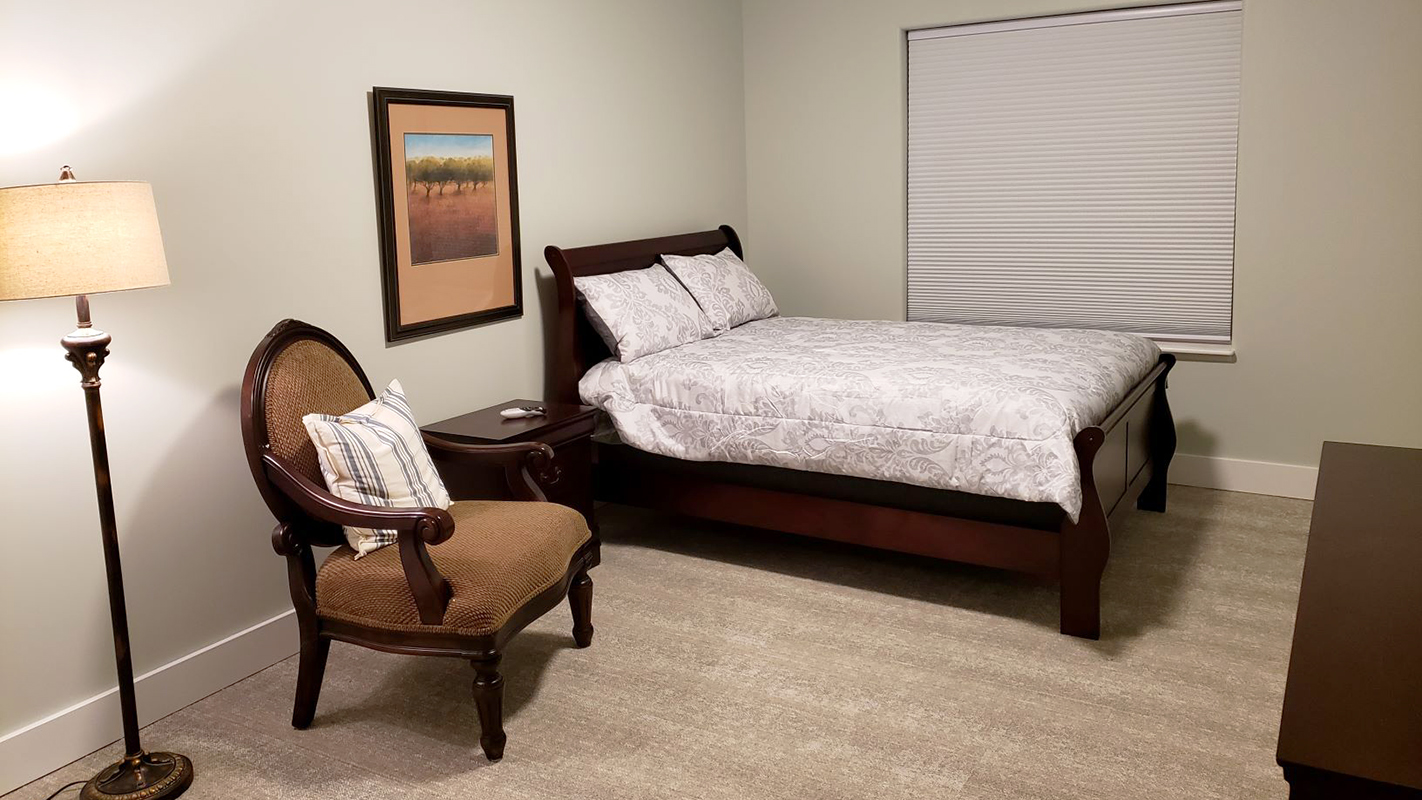
BeeHive Homes Assisted Living offers private bedrooms with private bathrooms
BeeHive Homes Assisted Living provides medication monitoring and documentation
BeeHive Homes Assisted Living serves dietitian-approved meals
BeeHive Homes Assisted Living provides housekeeping services
BeeHive Homes Assisted Living provides laundry services
BeeHive Homes Assisted Living offers community dining and social engagement activities
BeeHive Homes Assisted Living features life enrichment activities
BeeHive Homes Assisted Living supports personal care assistance during meals and daily routines
BeeHive Homes Assisted Living promotes frequent physical and mental exercise opportunities
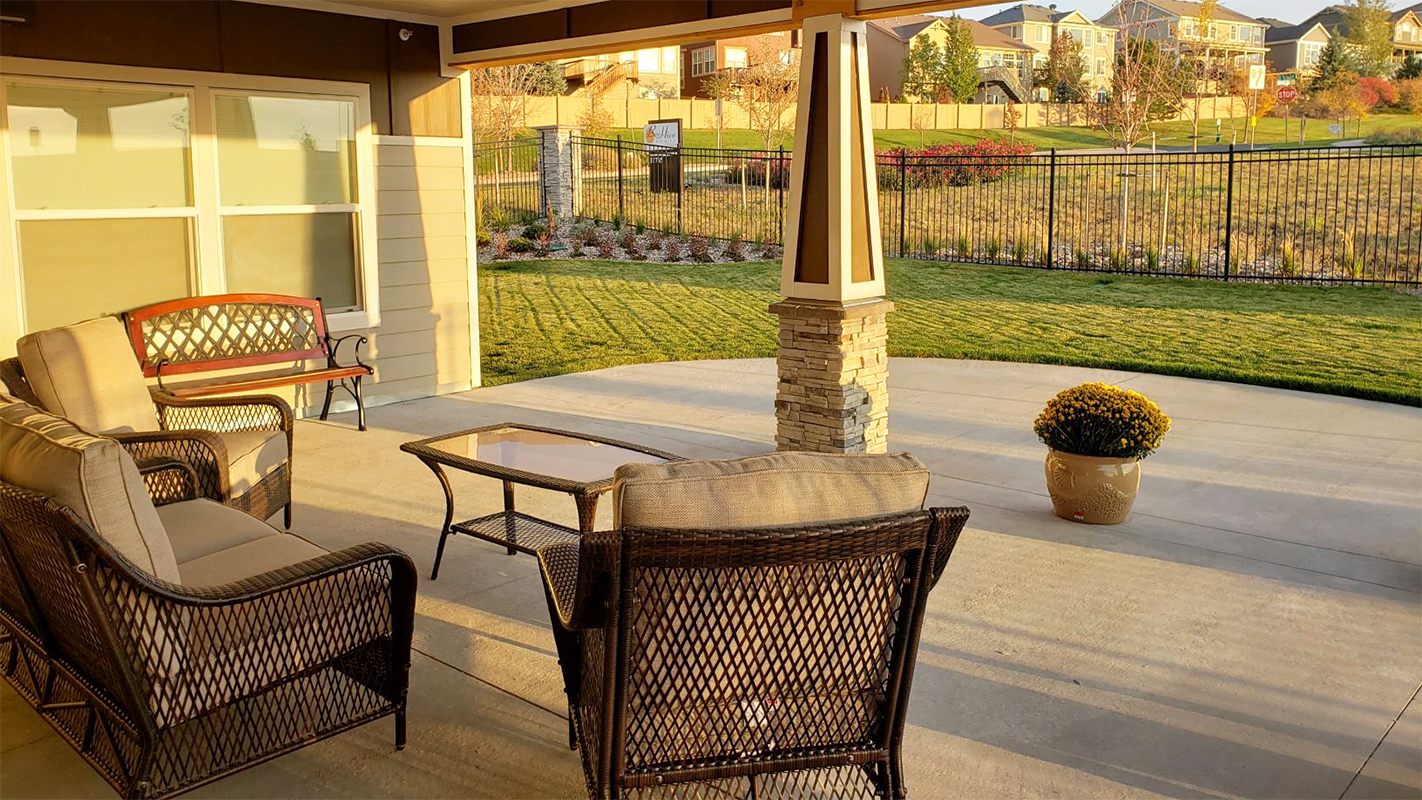
BeeHive Homes Assisted Living provides a home-like residential environment
BeeHive Homes Assisted Living creates customized care plans as residents’ needs change
BeeHive Homes Assisted Living assesses individual resident care needs
BeeHive Homes Assisted Living accepts private pay and long-term care insurance
BeeHive Homes Assisted Living assists qualified veterans with Aid and Attendance benefits
BeeHive Homes Assisted Living encourages meaningful resident-to-staff relationships
BeeHive Homes Assisted Living delivers compassionate, attentive senior care focused on dignity and comfort
BeeHive Homes Assisted Living has a phone number of (303) 752-8700
BeeHive Homes Assisted Living has an address of 11765 Newlin Gulch Blvd, Parker, CO 80134
BeeHive Homes Assisted Living has a website https://beehivehomes.com/locations/parker/
BeeHive Homes Assisted Living has Google Maps listing https://maps.app.goo.gl/1vgcfENfKV9MTsLf8
BeeHive Homes Assisted Living has Facebook page https://www.facebook.com/BeeHiveHomesParkerCO
BeeHive Homes Assisted Living won Top Assisted Living Homes 2025
BeeHive Homes Assisted Living earned Best Customer Service Award 2024
BeeHive Homes Assisted Living placed 1st for Senior Living Communities 2025
People Also Ask about BeeHive Homes Assisted Living
What is BeeHive Homes Assisted Living monthly room rate?
Our monthly rate is based on the individual level of care needed by each resident. We begin with a personal evaluation to understand your loved one’s daily care needs and tailor a plan accordingly. Because every resident is unique, our rates vary—but rest assured, our pricing is all-inclusive with no hidden fees. We welcome you to call us directly to learn more and discuss your family’s needs
Can residents stay in BeeHive Homes until the end of their life?
In most cases, yes. We work closely with families, nurses, and hospice providers to ensure residents can stay comfortably through the end of life unless skilled nursing or hospital-level care is required
Does BeeHive Homes Assisted Living have a nurse on staff?
Yes. While we are a non-medical assisted living home, we work with a consulting nurse who visits regularly to oversee resident wellness and care plans. Our experienced caregiving team is available 24/7, and we coordinate closely with local home health providers, physicians, and hospice when needed. This means your loved one receives thoughtful day-to-day support—with professional medical insight always within reach
What are BeeHive Homes of Parker's visiting hours?
We know how important connection is. Visiting hours are flexible to accommodate your schedule and your loved one’s needs. Whether it’s a morning coffee or an evening visit, we welcome you
Do we have couple’s rooms available?
Yes! We offer couples’ rooms based on availability, so partners can continue living together while receiving care. Each suite includes space for familiar furnishings and shared comfort
Where is BeeHive Homes Assisted Living located?
BeeHive Homes Assisted Living is conveniently located at 11765 Newlin Gulch Blvd, Parker, CO 80134. You can easily find directions on Google Maps or call at (303) 752-8700 Monday through Sunday Open 24 hours
How can I contact BeeHive Homes Assisted Living?
You can contact BeeHive Homes of Parker Assisted Living by phone at: (303) 752-8700, visit their website at https://beehivehomes.com/locations/parker, or connect on social media via Facebook
Visiting the Discovery Park provides paved paths and open areas ideal for assisted living and senior care outings that support elderly care routines and respite care activities.