Business Name: BeeHive Homes Assisted Living
Address: 11765 Newlin Gulch Blvd, Parker, CO 80134
Phone: (303) 752-8700
BeeHive Homes Assisted Living
BeeHive Homes offers compassionate care for those who value independence but need help with daily tasks. Residents enjoy 24-hour support, private bedrooms with baths, home-cooked meals, medication monitoring, housekeeping, social activities, and opportunities for physical and mental exercise. Our memory care services provide specialized support for seniors with memory loss or dementia, ensuring safety and dignity. We also offer respite care for short-term stays, whether after surgery, illness, or for a caregiver's break. BeeHive Homes is more than a residence—it’s a warm, family-like community where every day feels like home.
11765 Newlin Gulch Blvd, Parker, CO 80134
Business Hours
Monday thru Saturday: Open 24 hours
Facebook: https://www.facebook.com/BeeHiveHomesParkerCO
Caregiving rarely starts with a grand strategy. Regularly, it unfolds with small acts that collect. A daughter stops by before work to help her father choose clothing. A spouse starts coordinating medications and physicians' consultations. A grand son takes control of grocery runs. Then a year passes, perhaps three, and the routine that as soon as felt manageable now works on caffeine and alarm clocks. Your house is safe enough, mostly. Laundry piles up. Everyone is extended thin. This is the area where respite care belongs, though many families wait longer than they require to.
Respite care is short-term, short-lived assistance for a person who requires help with day-to-day living, provided in the house or in a community setting. It provides the primary caregiver time to rest, travel, or capture up on parts of life that have been sidelined. The person getting care gets trusted assistance from specialists used to actioning in quickly. Utilized well, respite secures both parties from burnout and preserves the relationship that matters most.
What caregivers notice first
The early indicators that it is time to explore respite are seldom remarkable. They appear in the texture of daily life. A middle-aged son begins sleeping on the sofa near his mother's room due to the fact that she sundowns and roams at night. A partner who prides himself on patience feels flashes of irritation while helping with bathing. A sis discovers herself contacting ill to work after another evening of chasing down missing medications. These are not failures, they are signals that the workload has actually gone beyond a single person's sustainable capacity.
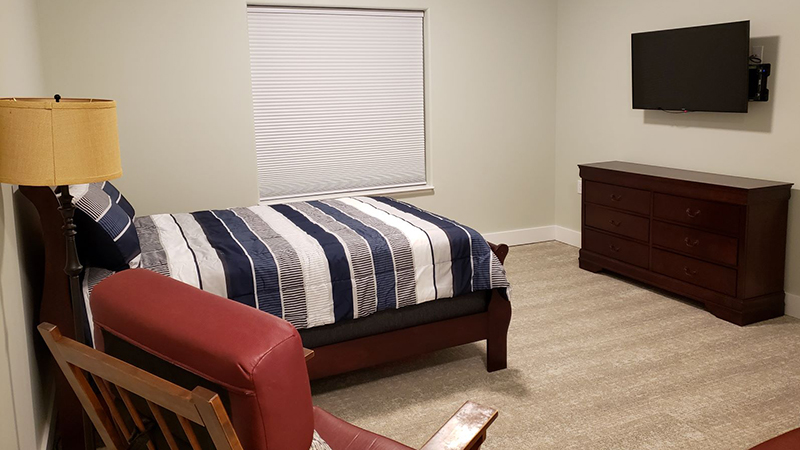
One strong indication is the drift from proactive care to continuous crisis management. When the week is a string of near-misses and last-minute fixes, the system needs support. Missed out on meals, medication mistakes, falls without serious injury, and avoided therapy appointments are all concrete indicators. The individual getting care might also start to show the stress: lowered cravings, weight-loss, sleep disruption, dehydration, or increased confusion. Those modifications often reflect inconsistent routines, which respite can assist stabilize.
Another indication originates from outside. If a doctor, nurse, or physiotherapist suggests additional assistance, take it as a gift. Clinicians acknowledge patterns of caretaker fatigue and client decrease earlier than households do. I have actually beinged in living spaces where a simple weekly respite visit turned a spiraling scenario into a consistent one within a month. The caretaker slept. The client consumed on time. The house quieted. Small adjustments worked since care was shared.
What respite care really looks like
Respite is a versatile classification. It beehivehomes.com elderly care can be two hours on a Tuesday or three weeks in a certified neighborhood. Done in your home, respite may suggest a home health aide comes twice a week for bathing, meal prep, and friendship. It might involve an adult day program where your mother sings with a group, consumes lunch, and returns home at 4, tired in the good way. In a neighborhood setting, respite can be a short-term stay inside an assisted living or memory care house. The person moves in for a set period, usually a couple of days to a few weeks, with access to meals, assistance, and activities.
Each option has a character. Home-based respite preserves familiar surroundings and regimens. Adult day programs include social connection and structured activities without an over night stay. Short-term remain in assisted living or memory care offer the deepest protection and can deal with more complex care needs, including dementia-related habits or movement difficulties that require two-person support. Families often use a mix: a weekly adult day program to anchor the schedule and a couple of home visits to manage showers and laundry, then a quick community stay when the caregiver takes a trip or needs surgery.
The finest fit depends upon the individual's requirements, the caretaker's bandwidth, and the long-term strategy. If you believe a move to assisted living within the year, a two-week respite stay can function as a low-commitment test drive. If the goal is to maintain the existing home setup with better rest for the caretaker, a consistent weekly block of at home respite may make the difference.
The turning point for memory loss
Cognitive changes make complex whatever, from bathing to medication management. Families taking care of somebody with Alzheimer's disease or another dementia typically reach the point of needing respite previously, partially due to the fact that the care is constant. Wandering, recurring concerns, refusal of care, and sleep turnaround are day-to-day truths for numerous households managing amnesia at home. Respite provides structure and experienced hands that can lower the temperature level in the home.
Adult day programs customized to memory care can be especially handy. Personnel understand redirection strategies, can pace activities to match attention spans, and understand when to take a peaceful walk instead of push for involvement. At nights, you may see less agitation spikes merely since the individual's day had a predictable rhythm and appropriate stimulation. If behaviors are more complicated, short-term remain in a memory care community can offer the safety and capability needed. Doors are protected, staff ratios are tighter, and the environment is designed for orientation and calm.
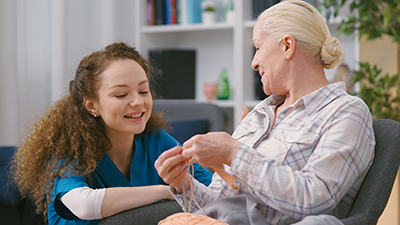
A common worry is whether a person with dementia will get used to a new setting for brief stays. Adjustment varies, however familiarity helps. Duplicating the very same adult day program on the exact same days, or scheduling respite in the very same neighborhood, builds recognition. Bring preferred items, short playlists, a familiar blanket, and a quick life story sheet for personnel to referral. I have seen a resident calm right away when an employee greeted him with the name of his old pet and inquired about the bait store he as soon as ran. Those details matter.
The caretaker's health becomes part of the care plan
Caregiving is physical labor layered with emotional watchfulness. Even experienced specialists turn shifts for a factor. At home, that rotation rarely exists. If the caregiver's blood pressure is approaching, if they feel lightheaded when standing, or if they have actually postponed their own medical appointments, the strategy is already unsteady. Sorrow contributes too. Caring for a spouse whose personality is altering or for a moms and dad who can no longer acknowledge you is a peaceful, ongoing loss. Rest is a requirement for patience.
I look for three health flags in caregivers: relentless sleep deprivation, musculoskeletal pressure, and anxiety or anxiety that does not lift between tasks. If any two of those exist, respite is not optional, it is necessary. A foreseeable day of relief weekly does more than fill up a tank. It changes how the remainder of the week feels due to the fact that there is a horizon. When the body believes a break is coming, it can withstand the tough hours better and often handle them more safely.
Cost, coverage, and the math of peace of mind
Families typically delay respite since they assume it is unaffordable. The real numbers vary by area, service type, and level of care required. Home care firms generally expense by the hour with day-to-day minimums, while adult day programs charge an everyday or half-day rate that consists of meals and activities. A short-term remain in assisted living or memory care is normally priced per diem and may include a one-time setup charge. In many locations, adult day programs wind up being the most affordable structured alternative for a number of days a week.
Insurance protection is irregular. Long-lasting care insurance policies in some cases reimburse for respite, particularly if the insurance policy holder currently gets approved for advantages based on assistance with activities of daily living. Medicaid waivers in some states cover adult day or a restricted number of respite hours in the house. Medicare does not usually pay for nonmedical respite, though hospice clients can get a restricted inpatient respite advantage. Veterans may have access to programs through the VA that balance out expenses for adult day health care or in-home support. It deserves a couple of calls to a city Firm on Aging and to advantages organizers. I have actually seen households reveal partial financing they did not understand existed, which frequently changes a "maybe later on" into a "let's schedule this."
There is also the concealed cost of not resting. A caretaker injury or a preventable hospitalization for the individual getting care wipes out months of conserved funds in a week. The objective is not to invest casually, it is to purchase stability where it counts. Start modestly, determine the effect, then adjust.
How to get ready for your very first respite experience
Trying respite as soon as and having a rocky very first day prevails. The technique is to prepare well and devote to a short series, not a single trial. Think of it as training a brand-new team to support your family.
- Gather the essentials: existing medication list, medication administration guidelines, allergy details, emergency situation contacts, and a succinct regular summary for morning, meals, and bedtime. Consist of a copy of health care instructions if relevant. Write a one-page "about me": previous occupation, pastimes, preferred foods, music, convenience products, and particular communication ideas that work. Include two or three stress triggers to avoid. Pack familiar items: a sweater with a recognized texture, a labeled image book, a favorite mug, or earphones with a brief playlist. Small, concrete comforts anchor new settings. Start with predictable schedules: same days, very same times, for at least three weeks. Consistency assists both the care recipient and the caregiver's nervous system adapt. Debrief after each session: ask personnel what went well and what did not, and adjust the plan. Share a small success with the individual receiving care so they feel part of the solution.
For in-home respite, a quick warm handoff matters. If possible, be present for the first 20 minutes to demonstrate transfers, show where supplies live, and share your shorthand for typical requests. Then, leave your house. Respite is not watching, and hovering denies everybody of the opportunity to build confidence.
Respite inside assisted living and memory care communities
Short-term remains in a neighborhood setting vary from daily in-home support. They require more paperwork, a nurse assessment, and clear start and end dates. This alternative shines when the caregiver needs complete coverage for travel, illness, or severe rest. Communities supply space and board, assist with bathing and dressing, medication management, and activities. In memory care, anticipate secured doors, quieter hallways, and staff trained in dementia-specific techniques.
The intake process can feel clinical, but it serves a purpose. Be frank about mobility, fall history, continence, and habits. A good neighborhood will want to match staffing to needs and place the individual in a wing that fits. Ask to see a sample everyday schedule and a menu. Visit during an activity to pick up the energy and the personnel's rapport. If a neighborhood likewise offers permanent assisted living or memory care, an effective respite stay can double as mild exposure. Familiar faces and layout make any future transition much easier on everyone.
Families often fret that a short stay will disorient the person or result in push to move in completely. A credible community understands that respite has a distinct function. Clarify at the beginning that this is a specified stay, then examine together later. If the person flourishes and asks to return, that is useful information for long-term planning, not a defeat.
When the resistance is real
Not everybody welcomes aid. A proud father dismisses the concept of a complete stranger in his kitchen. A partner insists this is marriage, not a task to outsource. Resistance is normal, specifically the very first time. The key is to frame respite not as replacement, however as support. You are still the anchor. The group is expanding so you can remain steady.
A few strategies lower defenses. Start small, even an hour with a caretaker introduced as a "physical treatment helper" or "cooking area assistant." Pair respite with something particular the person delights in, like a short drive or a favorite television show at a set time, so it feels like an addition rather than a subtraction. Avoid bargaining during a hard minute. Present the concept on a great day, mid-morning, after breakfast. If a doctor or relied on specialist can advise respite straight, their authority helps. I have watched a difficult no become a yes when a family practitioner said, "I require you both strong, and this is how we get there."
Seasonal and situational triggers
Certain seasons heighten caregiving. Winter season storms make complex transportation and boost fall threat. Summer season heat raises dehydration threats and flips sleep cycles. Vacations disrupt routines and may provoke confusion. These rhythms are not small. Plan respite with seasons in mind. Reserve additional protection during tax season if you are the household accountant, or during school breaks if you are also parenting. If a surgical treatment is on the calendar, line up a community stay well ahead of time, since medical recoveries frequently take longer than hoped.
There are also situational triggers that call for instant respite. A new diagnosis that alters movement overnight, an unforeseen hospital discharge to home with new equipment, or the death of another family member can overwhelm even organized homes. Short-term, high-intensity respite functions as a bridge while you reset the plan.
How respite interacts with the bigger picture
Respite is not a dedication to assisted living or memory care. It is a tool inside a wider care technique. Over months and years, a person's requirements change. Respite can ebb and flow, increasing when a caretaker's work spikes at work, reducing when a neighbor returns from winter away and assists with errands. It also functions as a reality check. If a three-week neighborhood stay reveals that an individual requires two-person transfers and nighttime monitoring, that information informs whether home stays safe with sensible support. If the person blossoms in a community dining room and starts consuming full meals again, that recommends social elements matter more than you thought.
Families often hold onto an all-or-nothing concept of care: either we do everything in your home, or we move. Respite provides a third course. Share the load, remain versatile, adjust. It preserves relationships by giving them space to breathe. And it keeps the possibility of home open longer for lots of households, precisely because it lowers exhaustion and error.
Red flags that state "do this now"
If you are not sure whether you have tipped from periodic help to essential respite, a couple of red flags draw a clear line. When numerous medications are due at various times and doses have actually been missed out on repeatedly, it is time. When the individual can not securely move without help and you are improvising with furnishings to avoid falls, it is time. When a dementia-related habits like roaming or nighttime agitation puts either of you at threat, it is time. When your own mood surprises you, or you cry in the cars and truck before strolling back into your home, it is time. Acknowledging these minutes is not surrender, it is stewardship.
Finding quality providers
Quality differs. Credibility in caregiving circles tends to be made and resilient. Start with local voices: the social worker at the medical facility, your clergy leader, a next-door neighbor who has actually utilized adult day services, the occupational therapist who visited after a fall. Ask what worked out and what did not, and why. Look for specifics: on-time staff, constant faces rather than a continuous rotation, clear billing, managers who return calls, a nurse who knows the individuals by name.
Interview agencies and neighborhoods with practical concerns. How do you train staff on transfers and dementia communication? What is the backup strategy if a caregiver calls out? Can the same caretaker return every week? What is your policy on late arrivals or cancellations? For adult day programs, ask about staff-to-participant ratios and how they manage someone who prefers not to join group activities. Visit in person if you can, and look for little signs: clean bathrooms, posted schedules that match what you see taking place, and engaged conversation instead of background tv doing the heavy lifting.
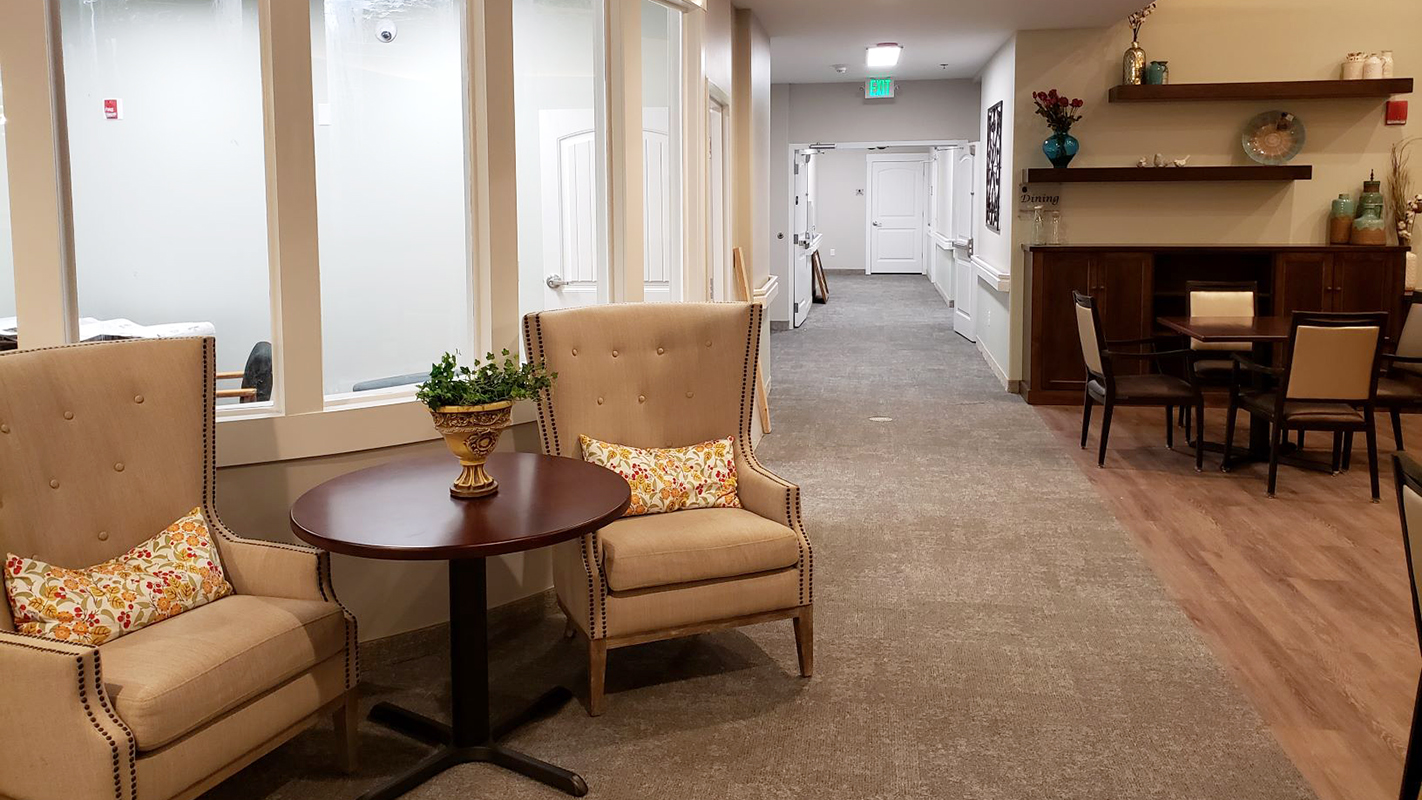
The emotional work of letting go
Even when everybody concurs respite is required, the first day can feel filled. I have watched a caregiver sit in the parking area, type in hand, not sure what to do with freedom after months of watchfulness. Strategy something easy for that very first block of time: a nap with the phone on loud, a walk around the lake, thirty peaceful minutes in a coffee shop with a book, your own medical visit lastly kept. The act of resting can feel disloyal till you see its effects. The person you love often returns calmer since you are calmer. That virtuous cycle constructs rely on the brand-new routine.
For some, guilt lingers. It softens with repeating and with the lead to front of you. If it helps, bear in mind that proficient experts request backup too. Surgeons rotate out of the operating space. Pilots take pause. Caregivers deserve the very same regard for the limits of a human body and heart.
A practical path forward
If the signs are there, choose a little, low-risk starting point. One half-day at an adult day program. A three-hour at home visit focused on bathing and meal prep. A weekend trial at a familiar assisted living neighborhood while you visit a sibling. Set a date, assemble the essentials, and dedicate to 3 attempts before examining. Keep notes on energy levels, state of mind, sleep, and any accidents in the days before and after each respite. You will see patterns. Change time windows, activities, and providers accordingly.
Care progresses. The families who fare finest reward respite not as a last resort however as regular maintenance. They build muscle memory for handoffs and keep a list of trusted assistants. They discover the early signs of strain and respond before the fractures widen. Most notably, they protect the relationship at the center of it all, changing white-knuckle endurance with a strategy that holds.
Respite care is not a luxury for people with plentiful resources. It is a useful, gentle tool for common households carrying extraordinary obligations. Whether you use it at home, through adult day programs, or with short-term remain in assisted living or memory care, the right support at the best cadence can reset the course of a year. The point is not to do everything. The point is to keep going, progressively, safely, together.
BeeHive Homes Assisted Living provides assisted living care
BeeHive Homes Assisted Living provides memory care services
BeeHive Homes Assisted Living provides respite care services
BeeHive Homes Assisted Living offers 24-hour support from professional caregivers
BeeHive Homes Assisted Living offers private bedrooms with private bathrooms
BeeHive Homes Assisted Living provides medication monitoring and documentation
BeeHive Homes Assisted Living serves dietitian-approved meals
BeeHive Homes Assisted Living provides housekeeping services
BeeHive Homes Assisted Living provides laundry services
BeeHive Homes Assisted Living offers community dining and social engagement activities
BeeHive Homes Assisted Living features life enrichment activities
BeeHive Homes Assisted Living supports personal care assistance during meals and daily routines
BeeHive Homes Assisted Living promotes frequent physical and mental exercise opportunities
BeeHive Homes Assisted Living provides a home-like residential environment
BeeHive Homes Assisted Living creates customized care plans as residents’ needs change
BeeHive Homes Assisted Living assesses individual resident care needs
BeeHive Homes Assisted Living accepts private pay and long-term care insurance
BeeHive Homes Assisted Living assists qualified veterans with Aid and Attendance benefits
BeeHive Homes Assisted Living encourages meaningful resident-to-staff relationships
BeeHive Homes Assisted Living delivers compassionate, attentive senior care focused on dignity and comfort
BeeHive Homes Assisted Living has a phone number of (303) 752-8700
BeeHive Homes Assisted Living has an address of 11765 Newlin Gulch Blvd, Parker, CO 80134
BeeHive Homes Assisted Living has a website https://beehivehomes.com/locations/parker/
BeeHive Homes Assisted Living has Google Maps listing https://maps.app.goo.gl/1vgcfENfKV9MTsLf8
BeeHive Homes Assisted Living has Facebook page https://www.facebook.com/BeeHiveHomesParkerCO
BeeHive Homes Assisted Living won Top Assisted Living Homes 2025
BeeHive Homes Assisted Living earned Best Customer Service Award 2024
BeeHive Homes Assisted Living placed 1st for Senior Living Communities 2025
People Also Ask about BeeHive Homes Assisted Living
What is BeeHive Homes Assisted Living monthly room rate?
Our monthly rate is based on the individual level of care needed by each resident. We begin with a personal evaluation to understand your loved one’s daily care needs and tailor a plan accordingly. Because every resident is unique, our rates vary—but rest assured, our pricing is all-inclusive with no hidden fees. We welcome you to call us directly to learn more and discuss your family’s needs
Can residents stay in BeeHive Homes until the end of their life?
In most cases, yes. We work closely with families, nurses, and hospice providers to ensure residents can stay comfortably through the end of life unless skilled nursing or hospital-level care is required
Does BeeHive Homes Assisted Living have a nurse on staff?
Yes. While we are a non-medical assisted living home, we work with a consulting nurse who visits regularly to oversee resident wellness and care plans. Our experienced caregiving team is available 24/7, and we coordinate closely with local home health providers, physicians, and hospice when needed. This means your loved one receives thoughtful day-to-day support—with professional medical insight always within reach
What are BeeHive Homes of Parker's visiting hours?
We know how important connection is. Visiting hours are flexible to accommodate your schedule and your loved one’s needs. Whether it’s a morning coffee or an evening visit, we welcome you
Do we have couple’s rooms available?
Yes! We offer couples’ rooms based on availability, so partners can continue living together while receiving care. Each suite includes space for familiar furnishings and shared comfort
Where is BeeHive Homes Assisted Living located?
BeeHive Homes Assisted Living is conveniently located at 11765 Newlin Gulch Blvd, Parker, CO 80134. You can easily find directions on Google Maps or call at (303) 752-8700 Monday through Sunday Open 24 hours
How can I contact BeeHive Homes Assisted Living?
You can contact BeeHive Homes of Parker Assisted Living by phone at: (303) 752-8700, visit their website at https://beehivehomes.com/locations/parker/,or connect on social media via Facebook
The Castlewood Canyon State Park Visitor Center provides historical and natural exhibits that enhance assisted living, senior care, elderly care, and respite care enrichment.